Electrical Remedial Works

An EICR with C1 or C2 observations needs to be acted on. We carry out EICR remedial works for commercial premises across London and the South East, addressing defects identified through inspection and testing, and providing the appropriate certification and records once the works are complete.

What are electrical remedial work?

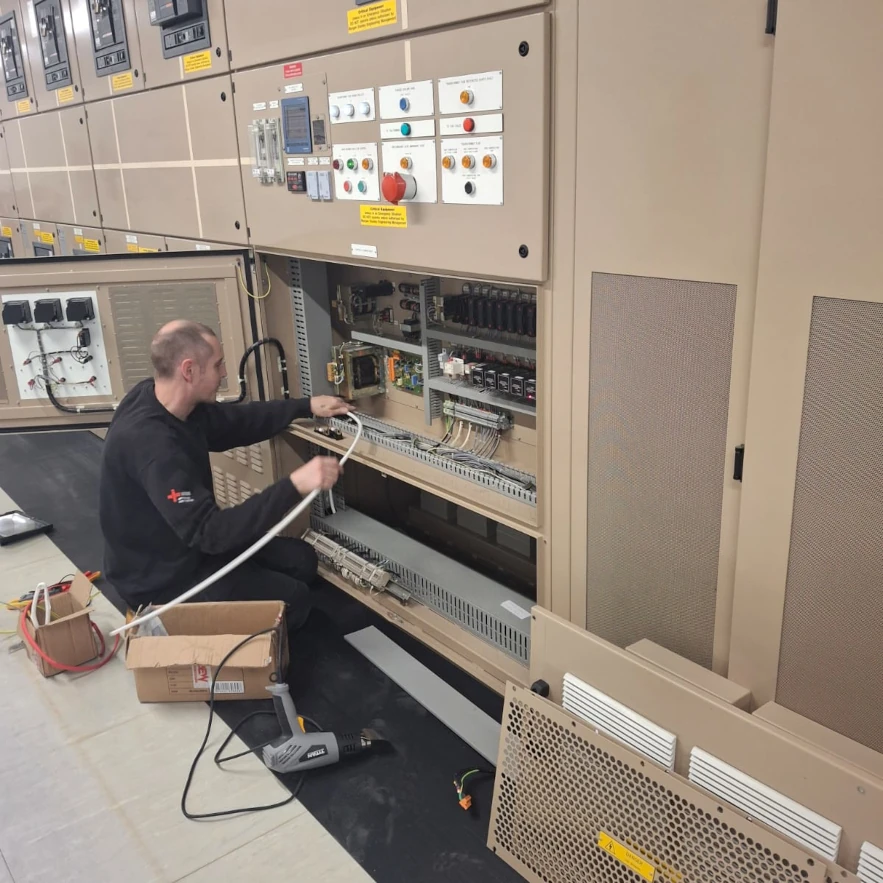
Remedial works address defects identified during a fixed wire inspection or other electrical testing. The scope depends on what the inspection found; it may involve replacing damaged or deteriorated cabling, upgrading earthing and bonding, repairing or replacing faulty protective devices, or replacing obsolete equipment that no longer meets current standards.

Observations are classified by severity. C1 items indicate an immediate danger and must be made safe without delay. C2 items are potentially dangerous and must be addressed before the installation can be certified satisfactory. FI items require further investigation. C3 items improvements recommended rather than defects requiring urgent remedial action.

Once the commercial electrical remedial works are complete, we inspect and test the work as required and provide the appropriate certification or records, giving you a clear audit trail alongside the original EICR.

What our service includes

We work from the observation list produced during the inspection, prioritising C1 items and agreeing a programme for C2 works around your operational requirements. Where FI items require investigation before the scope can be confirmed, we carry that out and advise you before proceeding. All works are carried out by our own qualified engineers to BS 7671. On completion you receive the appropriate electrical certification or records for the remedial works carried out.

Why Prolec

We know what we found

If we carried out the original inspection, we already understand the installation and the observations identified. That makes it easier to move from inspection to remedial work without starting again with another contractor.

We plan around your operations

Remedial works in occupied buildings require careful coordination. We agree the programme with you, work in planned windows, and keep you informed. Where works require isolation, we plan this carefully to minimise disruption to your operation.

One contractor, one audit trail

From the original observations through to the completed remedial works, testing and certification, you have a clear record of what was identified, what was done and the documentation to support it.

FAQs

Straight answers to the most common questions about electrical remedial works.

How quickly do C1 observations need to be addressed?

C1 observations indicate that danger is present and require immediate action to remove or make the danger safe. Depending on the issue, this may involve isolating the affected circuit or equipment until the defect can be resolved. We treat C1 items as urgent and can usually mobilise quickly.

Can you carry out remedial works if another contractor did the original EICR?

Yes. We will need a copy of the EICR and observation list. We review the report, visit the site to confirm our understanding of the scope, and provide a quotation before starting.

What happens when the works are complete?

We inspect and test the remedial works as required and provide the appropriate certification or records. These should be kept with the original EICR to provide a clear record of the observations identified and the work completed to address them.

Can works be phased?

Where the overall scope of remedial works is large, we can help you prioritise the programme according to the classification and urgency of the observations. C1 items require immediate action and C2 items should be addressed as a matter of urgency. Other improvement works can be planned around your operational requirements and budget.

Request a Quote

Accept GDPR

Case Studies

Our accreditations

We're proud to hold several important certifications that demonstrate our commitment to quality and safety. Every accreditation is independently verified and kept current.