
Thermal Imaging
Every failing electrical component generates heat before it fails. A loose connection, an overloaded circuit, a corroded contact: each one runs hotter than it should, often long before it causes a problem. A thermal imaging survey can identify temperature changes while your system is operating under load, helping you identify potential problems before they lead to failure.

What our survey includes

FAQs
Straight answers to the most common questions about our thermal imaging service.
Is thermal imaging a replacement for an EICR?
No. Thermal imaging identifies temperature anomalies in live electrical equipment. An EICR involves physical inspection and electrical testing of the fixed installation. The two complement each other: an EICR establishes the condition of the installation, and thermal imaging can help identify developing issues while equipment is operating under load.
When is the best time to carry out a thermal imaging survey?
When your systems are under normal or peak load. Faults generate the most heat under load, so a survey carried out when circuits are lightly loaded may miss developing problems. We schedule surveys to coincide with typical operating conditions wherever possible.
What equipment does the survey cover?
Main switch panels, distribution boards, sub-distribution boards, consumer units, switchgear, motor control equipment, and cable terminations. We work from source of supply through to final circuits wherever access allows.
How often should thermal imaging be done?
Annually is the standard for most commercial premises. Higher-risk installations, older equipment, or systems with a history of component failures benefit from more frequent surveys. Following significant electrical modifications, a thermal imaging survey is a sensible check.
Case Studies
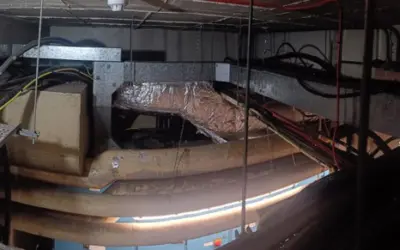
Electrical Survey for Heat Pump Installation
Historic building
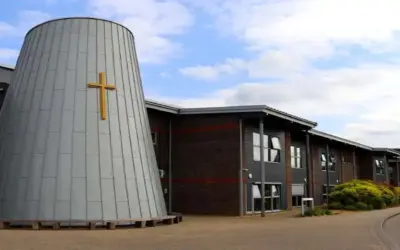
EICR
St Paul’s Catholic School, London
Our accreditations
We're proud to hold several important certifications that demonstrate our commitment to quality and safety. Every accreditation is independently verified and kept current.


