
Yet for many commercial property owners, facilities managers and business owners, the process itself can feel unclear or overly technical. Knowing what needs to be tested and why can help you to ensure working conditions remain safe and your business operates legally.
And then there’s the fear of business downtime during testing. Is there ever a good time to go without power in a busy London workplace? How do you juggle your obligation to keep your electrical systems safe with your need to keep your business operating? We hear you.
In this guide, we explain why EICR testing matters. We outline what happens during an inspection, the issues most commonly identified, and answer more of your questions about the testing process. Plus, we’ll show how we work with businesses to minimise downtime during electrical testing
What is an Electrical Installation Condition Report?
First things first, let’s explain the Electrical Installation Condition Report (EICR). It comprises a series of safety checks and tests to identify potential issues and electrical faults.
After the electrical test, you’re issued with an Electrical Installation Condition Report (EICR). The report lists the findings from the visual inspection along with recommendations for any remedial work. The EICR keeps you compliant with relevant safety regulations and is proof that your electrical systems are deemed safe. Now that’s peace of mind.
Why do I need an EICR certificate?
An EICR report provides a formal assessment of whether your fixed electrical installation is safe to continue using. It’s designed to identify deterioration, damage or non-compliance that could lead to electric shock, fire or other hazards.
For businesses and commercial premises, an EICR helps you:
- Meet your legal duties under the Electricity at Work Regulations 1989
- Demonstrate due diligence for insurers and auditors
- Protect your employees, tenants and visitors
- Prevent electric shocks, fires and reduce hazards
- Avoid unexpected downtime caused by electrical failures.
An EICR can be a legal requirement for specific types of premises. If the report’s deemed unsatisfactory, remedial work may be required within a specific timeframe. You can learn more about what this means in our guide to an unsatisfactory EICR.
What should I expect during an EICR inspection?
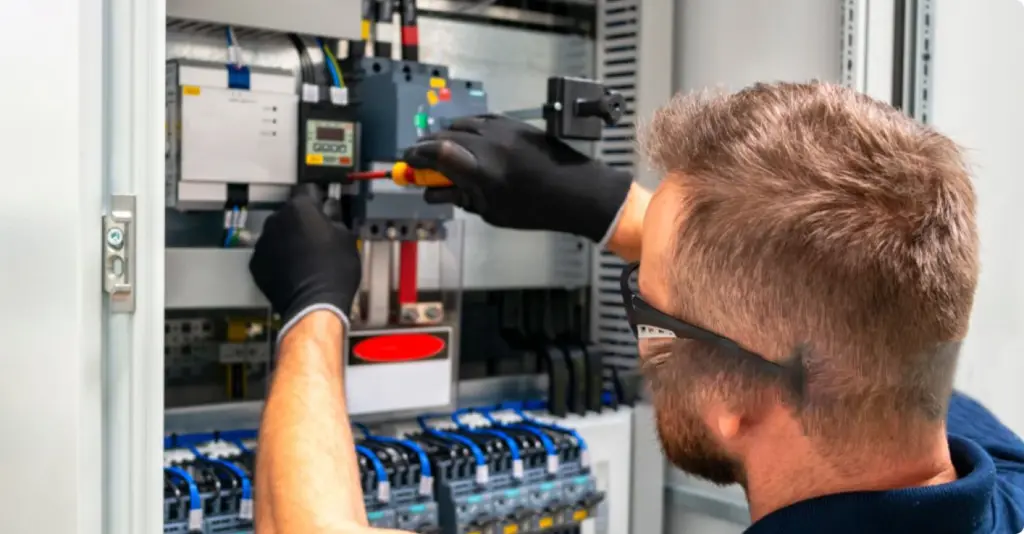
An EICR is a structured, methodical process carried out by a qualified electrical engineer. The aim is to assess the condition of your electrical wiring and installation against current safety standards, including BS 7671.
During the inspection, you can expect both live tests and dead tests. The electrical checks include:
Visual checks
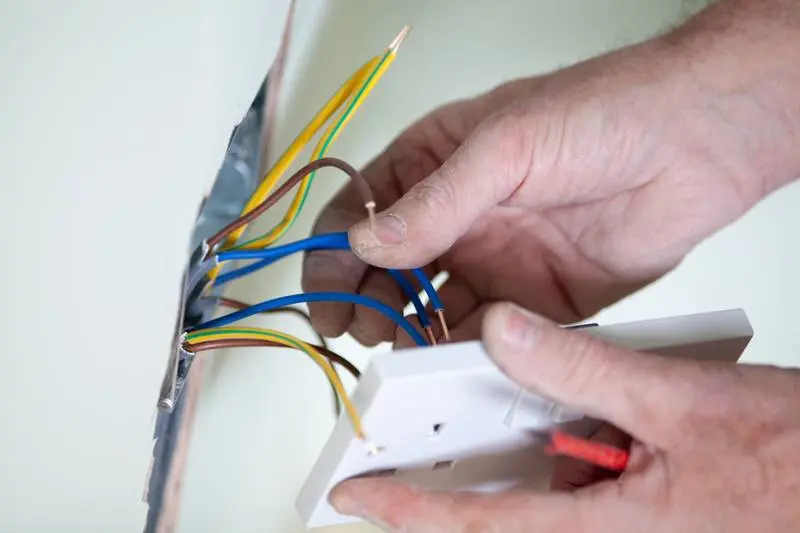
Your engineer will examine accessible parts of the electrical installation including:
- Distribution boards and fuse boxes (consumer units)
- Wiring systems and containment
- Light fittings
- Sockets, switches and accessories
- Signs of overheating, damage or deterioration.
Electrical testing
Where safe and practical, electrical tests are carried out to assess:
- Earthing and bonding
- Circuit integrity
- Insulation resistance
- Continuity testing
- Polarity and protective devices
- RCD testing (residual current devices)
- Earth fault loop impedance measurements.
Some circuits may need to be isolated briefly and the mains power supply will be switched off. We tend to plan EICRs outside peak working hours to avoid downtime, especially in environments like offices, healthcare settings or data centres.
Reporting and classification
Once testing’s complete, the findings are documented in a detailed report. Any issues are coded according to their level of risk – danger present, potentially dangerous, improvement recommended and further investigation required. Discover what the electrical codes mean in detail.
What are common issues found during an EICR inspection?
While every commercial building’s different, some issues appear regularly during EICR testing.
Common findings include:
- Inadequate earthing or bonding
- Outdated consumer units or protective devices
- Faulty wiring
- Overloaded circuits
- Signs of heat damage, wear and tear or loose connections
- Non-compliance with current wiring standards.
Don’t panic! Not all observations mean immediate remedial action or danger present. But it’s always advisable to make sure remedial work is done to reduce risk and maximise electrical safety.
How often should an EICR test be done?
One size doesn’t fit all when it comes to electrical safety and testing. It depends on the property, electrical usage and risk assessments.
As a general rule of thumb, industrial premises should be every three years. Commercial offices or rental properties, every five years (or change of tenancy). But high risk environments will need more frequent inspections.
When our electrician carries out your EICR, they’ll recommend a retest schedule. That’ll be based on the condition of your installation and how it’s used, as well as what works for your business.
How can you minimise downtime during an electrical test?
Talking of schedules, we know that any disruption to your packed business schedule can be stressful. That’s why we factor that into our testing plan and aim to cause as little downtime as possible to your office, data centre, financial services firm, hospital, school, public building or commercial warehouse.
How? Communication and collaboration between your team and ours are absolutely crucial. By getting to know your business, its priorities and how it works, we can decide on an appropriate strategy and program of works. Before we start any electrical testing or remedial work, we’ll provide a clear schedule and detailed plan and ensure everybody’s on board with it.
We can do our work over evenings, overnight or at weekends to keep interference with your daily operations to an absolute minimum. We work in an agile manner and adapt what we do to suit your business. That may mean that we can conduct some tests during the working day and others outside of it. It could be that we take a zoned approach and work around your team in lower risk areas first. We always find a way that works for our clients and meets our testing requirements.
Find out more about the ways we work with you to minimise downtime during electrical testing
Can any electrician carry out an EICR test?
We recommend you always employ an experienced, qualified electrician for any inspection and testing of your electrical systems. All of our electrical engineers are professional, qualified, NICEIC accredited and extremely competent.
Officially, inspection and testing has to be carried out by a competent person with relevant experience and qualifications, such as NICEIC or City & Guilds (2391-52 Level 3 Award in Initial Verification and Periodic Inspection and Testing of Electrical Installations).
Keep up-to-date with your electrical testing
At Prolec, we deliver professional electrical installation inspection and testing for businesses across a wide range of sectors. You can trust our knowledgeable team with your fixed wire testing and remedial work. We work closely with you to ensure our testing schedule causes minimal disruption to your business. Collaboration and communication are vital aspects of our working relationships.
Our qualified, experienced electrical engineers will undertake thorough EICR testing. You’ll get clear reporting with practical explanations and honest advice on remedial priorities. Whether you need fixed wire testing or PAT testing of electrical equipment, we’re here to help.
We make the EICR process straightforward, transparent and stress-free. Contact us to schedule in your next test.
Sign up for more expert guidance and compliance delivered straight to your inbox