
If you manage a commercial building, understanding your Electrical Installation Condition Report (EICR) is essential for maintaining compliance and safety standards. When your report comes back, you’ll see a series of EICR observation codes. Each code indicates a different level of risk or non-compliance. So it’s important to understand what they mean and what you need to do about them.
In this guide, we’ll run through the EICR certificate process to give you clarity. We’ll show you what to do if it flags urgent remedial action, imminent danger present or if necessary repairs have to be made within a fixed timeframe.
What is an Electrical Installation Condition Report (EICR)?
An Electrical Installation Condition Report (EICR) is a formal document issued after a qualified electrician has inspected and tested your electrical system.
The completed report provides clear evidence that your electrical systems have been properly maintained and tested. Importantly, it highlights any faults, deterioration or safety concerns that need attention to ensure the installation remains safe and compliant with current wiring regulations.
Why is an EICR certificate needed?
Commercial property owners need to adhere to the five year electrical test. These tests on fixed electrical installations must be carried out by a qualified electrician. They’re legal requirements in line with the latest regulations – Electricity at Work Regulations and the IET Wiring Regulations BS 7671:2008 (18th edition).
Regular electrical testing and EICRs aren’t just best practice for electrical safety. They’re documented proof of compliance, as well as peace of mind that your workplace meets the highest safety standards.
What if you have an unsatisfactory EICR?
If your electrician picks up faults or concerns during the EICR testing process, they will note them on the report. These issues are detailed as EICR observation codes to indicate the level of importance and severity. We explain each code – C1, C2, C3 and F1 – in detail below.
Once you’ve had the remedial work done to resolve the highlighted issues, you receive either a Minor Electrical Installation Works Certificate or an Electrical Installation Certificate. Coupled with your original EICR certificate, it proves that the areas of concern have been rectified.
What is a C1 code in an EICR?
A C1 code means ‘danger present’. There’s an urgent and immediate risk. This is the most serious category and requires immediate remedial action to remove the risk.
Examples of C1 faults include:
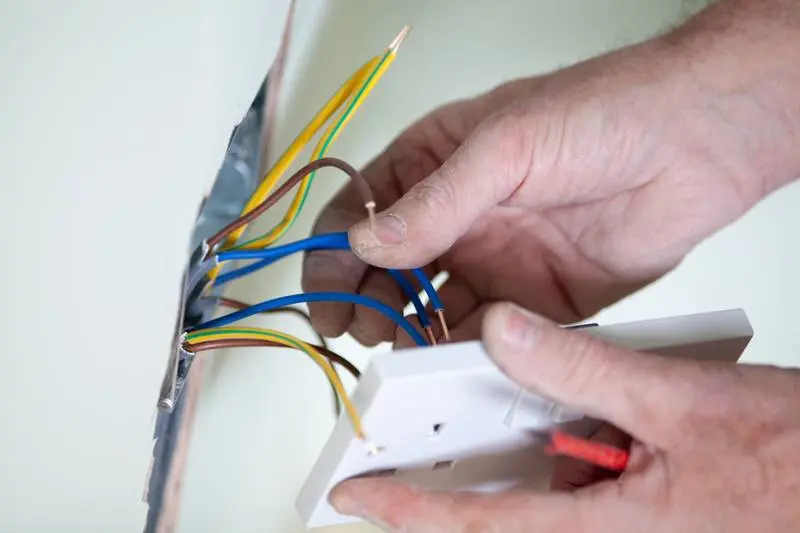
- Exposed live wires/ conductors
- Damaged socket outlets or switches with exposed live parts
- Incorrect polarity or broken earthing connections
- Signs of burning or overheating at a distribution board.
A C1 issue indicates that people using the installation are under immediate threat. There’s a dangerous defect and a very real risk of electric shock or electrical fire if the problem isn’t addressed immediately.
If a C1 observation is found, your electrician will usually make the circuit or system safe straight away. Then they’ll record the issue in the report.
What is a C2 code in an EICR?
A C2 code stands for ‘potentially dangerous.’ Although there’s no immediate danger, there’s a clear risk of harm if the fault isn’t fixed. These issues should be treated as urgent. They must be corrected as soon as possible to return the electrical installation to a safe standard.
Examples of C2 faults include:
- Missing or inadequate earthing or bonding
- Poorly terminated wiring connections
- Overloaded circuits
- Absence of residual current devices (RCDs)
- Metal light switches or fittings without earth connections.
C2 issues may not require instant disconnection. But they’re serious enough to make the overall EICR unsatisfactory until resolved.
What is a C3 code in an EICR?
A code C3 means ‘improvement recommended’. These are observations where the installation’s safe for continued use, but doesn’t fully comply with current standards. Addressing C3 issues isn’t mandatory. However, it’s good practice and highly advisable to plan the remedial work into your maintenance schedule for long-term safety and performance.
Examples of C3 faults include:
- Outdated consumer units without RCD protection
- Labelling or identification missing from circuits
- Minor wear and tear to accessories
- Lack of surge protection devices in sensitive environments.
Upgrading these elements helps to avoid issues developing over time and keeps you one step ahead of future safety regulations.
Why is the FI code issued in an EICR?
The FI code stands for ‘further investigation required’. It’s used when an electrician identifies a potential issue, but can’t determine its full extent during the initial inspection. This code signals that additional testing or inspection is needed promptly.
Examples of F1 faults include:
- Signs of thermal damage on the distribution board
- Lack of circuits information
- Low value of insulation resistance
- Emergency lights appearing very dim.
These aren’t issues to be left for your next routine electrical inspection. Ignoring code FI items can allow hidden faults to worsen. It’s important to arrange follow-up work quickly to ensure your system’s safety.
Your next steps
Understanding these EICR codes helps you to plan maintenance more effectively. And importantly, ensure the building remains safe, compliant with current regulations and operational.
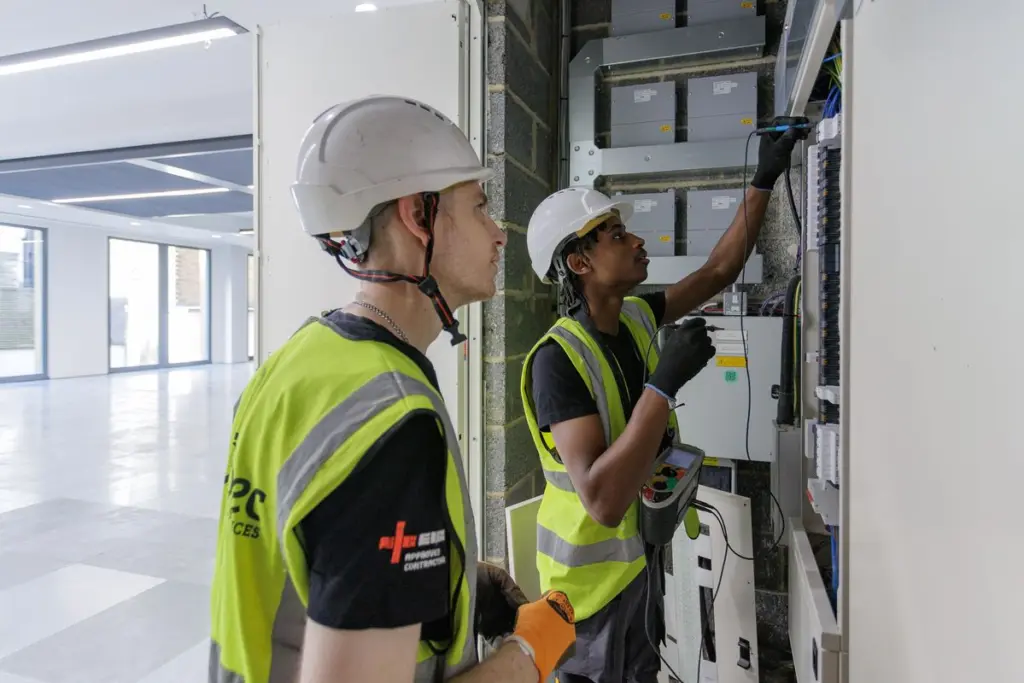
It’s important to work with trusted electrical contractors to ensure your systems are safe and functioning properly. Our team of experienced, professional and accredited electricians will guide you through this testing process. We know the importance of collaboration and effective communication with our clients.
Contact us for all your electrical testing needs – EICR reports, portable electrical appliance testing (PAT), lighting or alarm testing.
Sign up for more expert guidance and compliance delivered straight to your inbox