
What electrical equipment counts as a portable electrical appliance?
A portable electrical appliance is generally defined as any item of electrical equipment that:
- You plug in to a mains-powered socket
- Is hand held or can be moved easily whilst attached to the electrical supply
- Is connected by a flexible lead rather than fixed wiring.
Look around your commercial space and you’re likely to see a lot of items that tick that box. This isn’t a comprehensive list, but an indicator of common examples around the workplace.
Kitchen and breakout areas
Kitchens and staff breakout spaces typically contain high-use appliances that combine electricity, heat and sometimes water. That could be a recipe of disaster, so regular checks are essential.
Common examples include:
- Kettles
- Microwaves
- Toasters
- Coffee machines
- Fridges and freezers
- Dishwashers
- Vending machines
- Water boilers
- Plug-in hot plates.
These appliances are often used daily and handled by multiple people. That increases wear and tear.
Office and workspaces
Office environments contain a large number of portable appliances that rely on plugs and flexible cables.
Typical office appliances include:
- Desktop computers
- Monitors and screens
- Laptops and docking stations
- Printers, scanners and copiers
- Photocopiers
- Desk lamps
- Extension leads and multi-socket adapters
- Phone chargers.
Even equipment that stays in one place most of the time is classed as portable and should be included in a PAT testing programme.
Information technology and communications
IT and communications spaces often house critical equipment that supports day-to-day business operations. Electrical reliability’s essential for these items.
Common equipment includes:
- Servers and server racks
- Network switches and routers
- Uninterruptible power supplies (UPS)
- Power distribution units (PDUs)
- External hard drives and backup devices
- Cooling fans and plug-in ventilation units.
Testing of electrical equipment in these areas needs to be planned carefully to avoid downtime.
Bathrooms and changing facilities
Electrical equipment used in bathrooms or washrooms requires extra attention due to the presence of moisture.
Portable, often hand-held, appliances may include:
- Hand dryers
- Hairdryers
- Wall-mounted heaters with plug connections
- Cleaning equipment
- Plug-in air fresheners.
Because water increases electrical risk, these items tend to need more frequent inspections.
Workshops and industrial areas
These tend to be higher-risk environments. The tools and electrical equipment often experience heavier use and tougher conditions.
Examples include:
- Power tools (electric drills, grinders, saws)
- Extension leads and cable reels
- Portable lighting
- Chargers for tools and batteries
- Vacuum cleaners
- Washing machines.
These items often require more frequent testing due to mechanical stress and environmental exposure.
What does Portable Appliance Testing involve?
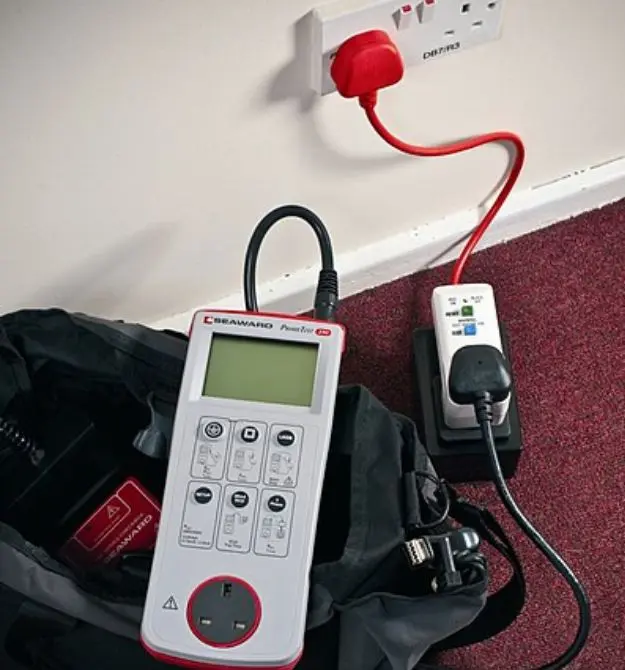
Portable Appliance Testing (PAT) is the process of inspecting and testing electrical appliances to ensure they’re safe to use. It’s a key part of workplace electrical safety. But what does the PAT testing process actually involve?
1. Visual inspection
This is often the most important part of the process. It involves checking for:
- Damaged plugs or cables
- Exposed wiring
- Signs of overheating or burning
- Loose connections or incorrect fuses.
Many faults get picked up at this stage before electrical testing even begins.
2. Electrical testing
Depending on the type of appliance, tests may include:
- Earth continuity testing
- Insulation resistance testing
- Polarity checks
- Functional testing where appropriate.
Different equipment has different safety requirements so the tests will vary.
3. Labelling and reporting
PAT testers label electrical appliance with its test result and retest date. A full digital or paper report is also provided. That gives you clear records for compliance, audits and insurance purposes.
FAQs
How often should portable appliances be tested?
It’s advisable to check items used constantly more regularly than those used occasionally. Equipment subject to wear and tear is more high risk and should be inspected frequently. It’s a good idea to carry out a risk assessment to determine how frequently your equipment should be checked.
As a general guide:
- Office environments – typically every 12–24 months
- Workshops, construction or industrial settings – more frequent testing (often 6–12 months)
- High-risk equipment or extension leads – tested more regularly,
Our experienced electrical contractors can help to risk assess your environment and recommend a sensible, compliant testing schedule. It’s an important element of keeping your workplace safe and reducing your risk of electric shock or fire.
What are the key regulations and safety standards for portable appliance testing?
Technically, there’s no legal requirement for companies to undertake PAT testing. But there are strict guidelines to ensure the safety of portable electrical equipment and all electrical systems. PAT testing is the most practical and accepted way of demonstrating compliance. The main regulations and safety standards include:
- The Electricity at Work Regulations 1989
- Electrical Equipment Safety Regulations 2016
- The Health and Safety at Work Act 1974
- Provision and Use of Work Equipment Regulations 1998 (PUWER)
- IET’s Code of Practice for In-service Inspection and Testing of Electrical Equipment.
Can you do PAT testing yourself?
By law, any competent person can carry out a PAT test. We highly recommend you rely on someone with a good knowledge of electricity and experience in working with electrics.
The Health and Safety Executive (HSE) estimate that 90% of defects can be picked up from a visual inspection. A professional PAT tester will know the risks to look out for and will spot early signs of fault, wear and tear. All of our electrical testers are experienced, NICEIC registered, fully qualified and totally reliable.

Reduce risk and make your workplace safer
Our team of experienced, qualified electrical experts can protect your business from electrical risks. Our comprehensive portable appliance testing (PAT testing) will ensure that all of your electrical appliances meet stringent safety standards. We can undertake visual checks and testing of electrical equipment regularly. We’ll even help you with a testing schedule to follow.
You can learn more about our approach to PAT testing for businesses or explore our business PAT testing services in more detail. Contact our friendly, knowledgeable team with your queries and to discuss PAT testing costs and our competitive pricing solutions.
Sign up for more expert guidance and compliance delivered straight to your inbox