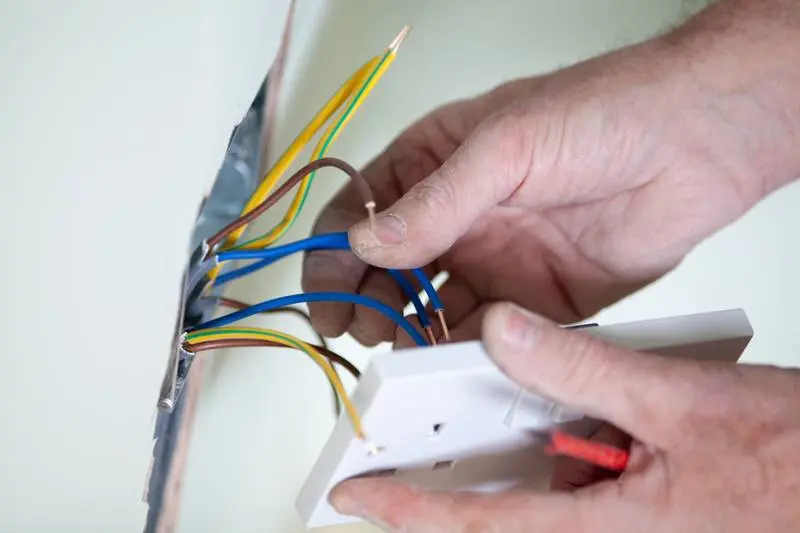

Does the thought of having to switch off your business’ power supply induce a mild panic? In busy London working environments, time is money and disruption is detrimental to productivity. So how do you balance that issue with your obligation to keep your electrical systems and equipment safe and fully functioning?
That’s why it’s important to work with electrical contractors who understand how your business works. At Prolec, we understand the pressures you face when scheduling essential electrical testing. That’s why we’ve developed a streamlined approach that keeps your building compliant without grinding day-to-day operations to a halt.
Here’s how we minimise downtime during electrical testing, and why that matters for your business.
Why electrical testing matters
Regular electrical testing – such as Fixed Wire Testing (EICR) and Portable Appliance Testing (PAT) – isn’t just a box-ticking exercise. It’s a legal requirement that helps safeguard your staff, protect your property, and keep your insurance valid.
Ensuring your work environment meets stringent safety standards and complies with British health and safety regulations is an absolute must. It’s not an option. If you don’t test equipment and systems, you’re putting people at risk of injury.
In addition, regular inspections and testing of electrical equipment and systems can extend their lifespan. It’ll reduce the likelihood of equipment failure and electrical issues (think potential hazards like fires and electric shocks).
No doubt, you understand that electrical testing and maintenance of electrical components makes sense. But we also get that you need it to be done without disrupting meetings, workflows or your critical business infrastructure.
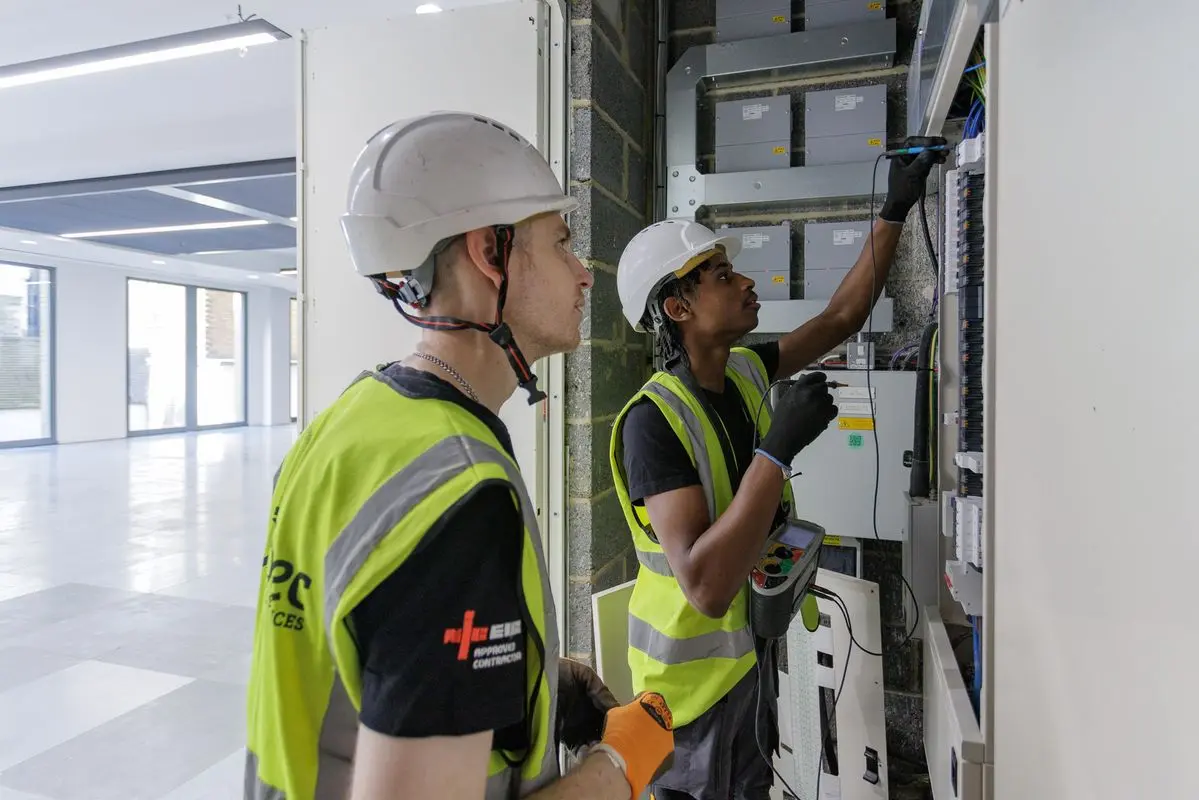
How can you develop an electrical equipment maintenance plan that reduces downtime in your London office?
Your business is likely to be very different from another London workplace down the road. But whether you’re running a data centre, financial services firm, hospital, school or commercial warehouse, shutdowns are a pain.
That’s why we tailor our approach to your unique business needs. We aim to minimise downtime and disruption and maximise collaboration with our clients. Here’s how.
1. Communication is key
The most important thing we do is to engage with key stakeholders. Our approach is always collaborative, adaptable, agile and firmly focused on your business need. We create strong partnerships to achieve the best results.
We build up a picture of your business. What’s critical? What has resilience? Could any business units be moved temporarily? What’s a possibility? What’s an absolute no-go?
By understanding those elements, we can decide on a strategy and program of works. We’re always mindful of limiting the potential impact and risks to your business.
Before we step on site, we’ll provide a clear schedule and detailed plan. We ensure everybody’s on board with our approach. We liaise directly with your facilities team or building manager to agree the best time and method for testing. Everyone knows what’s happening and when.
2. Out-of-hours scheduling
In almost every case, the risk of carrying out any works during normal business hours is too high. That’s why we offer evening, overnight and weekend testing options to keep interference with daily operations to an absolute minimum. For many of our London office clients, this is the simplest way to meet legal obligations without affecting business continuity.
However, there’s usually too much to do to limit all the works to weekends. Often, the agreed compromise is to carry out the lower risk activities outside of normal business hours during the working week, and then the critical work’s performed over the weekend.
Even this isn’t always possible. We’ve worked with financial institutions that operate in global markets across multiple timezones. Or there are hospitals that need a power supply 24/7. We work in these environments day-in, day-out. We’re well versed in planning and executing this type of work which is why an agile approach is our best way forward.
3. Zone-by-zone testing
Where out-of-hours access isn’t possible, we break down the electrical testing into manageable zones. By working around your team, we reduce disruption and keep your working environment running smoothly.
We start by understanding the layout of the electrical distribution which will impact our options. A simple example of this is checking if lighting circuits are segregated from those serving desk power. If they are, the lighting circuits can be worked on with minimal risk of downtime to the business. But if lighting and desk power circuits originate from the same distribution board, there’ll be a residual risk of power outage at the desks when working on any lighting.
A loss of power supply to IT equipment can have far reaching effects – sometimes affecting a company’s operations globally. Understanding the impact of power loss to this critical equipment is vital to planning and controlling the business risks.
4. Fast, effective, and professional
As specialists in electrical testing and compliance, our clients have grown to trust us with their most critical infrastructure.
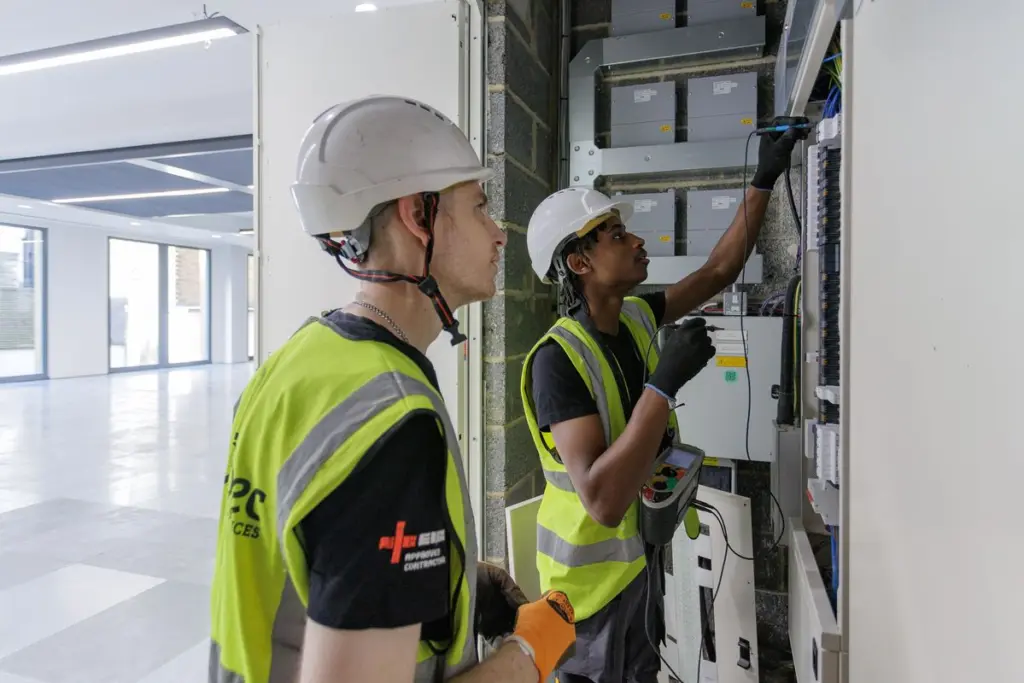
Our qualified electrical engineers are always professional – turning up on time, working cleanly and respecting the workspace and the people in it. Our engineers are trained to work discreetly and efficiently in live office environments. No unnecessary noise, no mess left behind.
5. Detailed reporting and ongoing support
Once testing’s complete, we’ll supply a full set of results, including any remedial electrical work recommendations. Need repairs? We can quote and carry them out swiftly, keeping your electrical systems up to industry standards and avoiding further disruption.
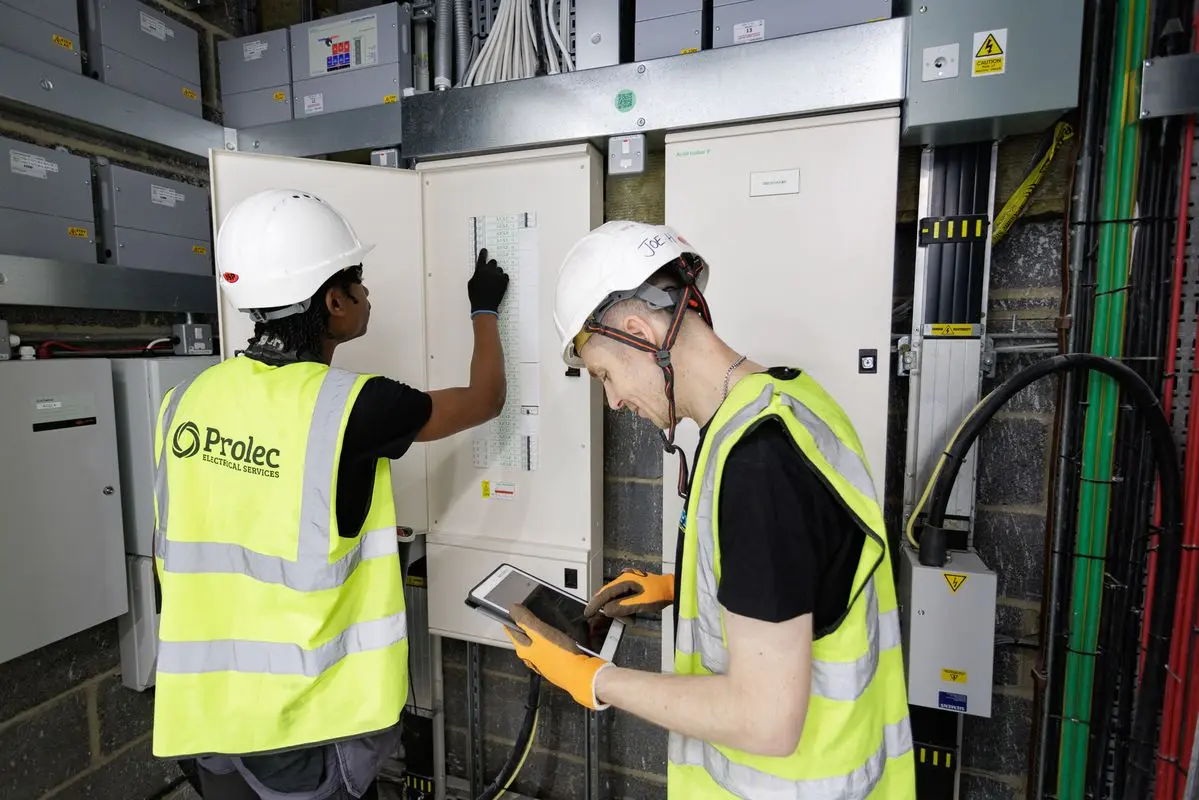
What preventative maintenance tasks can be done?
While not all electrical faults and emergencies can be prevented, taking a proactive approach can significantly reduce their frequency and severity. By implementing predictive maintenance programs, you can reduce risks, unscheduled downtime and surprise expenses for your business.
- Scheduled maintenance program: From weekly visual inspections to scheduled maintenance activities (annually, monthly, every 5 years), a maintenance program of checks can diagnose potential issues and electrical faults before they escalate into emergencies.
- Upgrade outdated electrical systems: Modernising your electrical infrastructure can reduce the likelihood of malfunction.
- Add surge protection: Installing protective devices can safeguard electrical equipment from power surges. This reduces hazards and the risk of power outage.
- Prevent overloading: Balancing and managing electrical loads can prevent tripped circuit breakers and system failures.
- Thermal imaging: This can identify hotspots that indicate potential electrical faults.
- Insulation resistance: High voltage testing assesses the integrity of electrical wiring and insulation, ensuring they meet industry standards.

Let Prolec keep your London office safe and operational
If you’re planning electrical testing in your London office and want to avoid the usual stress and disruption, we’re here to help. Our approach is flexible, reliable, and tailored to your needs. Our team of knowledgeable, professional electrical engineers will work with you to deliver the service that you need.
Contact us today to discuss maintenance strategies and plans that work for your team. Together, we’ll keep your London office safe and working.
Sign up for more expert guidance and compliance delivered straight to your inbox