
One area that often causes confusion is the classification of portable electrical equipment. In particular, the difference between Class I and Class II appliances and what that means for portable appliance testing (PAT testing). The term portable appliance testing can be confusing in itself. Yes, it includes portable appliances like power tools, mobile phones, hair dryers and toasters. But it also includes mains powered electrical equipment like photocopiers, washing machines and plant machinery which you wouldn’t consider portable.
Here, we’ll help you make sense of the two classes of electrical equipment, Class I and Class II, their levels of protection and how their differences affect PAT testing.
What is PAT testing?
PAT testing, short for Portable Appliance Testing, is the process of inspecting and testing electrical equipment to ensure it’s safe to use. Visual inspections help to catch obvious signs of wear or damage. But the real value lies in the electrical equipment tests themselves.
In a busy workplace, where devices are frequently moved, plugged in and unplugged, PAT testing provides peace of mind that everything from the photocopier to the fridge is safe and compliant.
Whilst PAT testing’s technically not a legal requirement in the workplace, there are laws around workplace safety and protecting your employees and customers. Under the Electricity at Work regulations, IEC wiring regulations and Health and Safety at Work Act it’s obligatory to keep electrical equipment safe.
What is the difference between Class I and Class II electrical classification?
Electrical appliances are categorised based on how they’re designed to protect users from electric shock. Class I equipment has basic insulation and relies on an earth connection to keep people safe. That means if a fault occurs and live parts come into contact with any exposed metal casing, the electrical current’s safely diverted to earth. That reduces the risk of electric shock.
Class II equipment, on the other hand, doesn’t use an earth connection. Instead, it features double or reinforced insulation for additional safety. Even if one layer of insulation fails, there’s another barrier in place to protect users. These appliances often carry the square within a square symbol. They’re designed to be inherently safer by construction. Below, we’ll explain how these different levels of insulation affect the PAT testing process.
What are some examples of Class I electrical equipment?
In a typical commercial environment, there are many devices and pieces of equipment that need to be plugged into the power supply. Class 1 appliances tend to be those with metal parts and a standard three-pin plug (including an earth one). These appliances rely on their earth connection as part of their safety features.
Examples of Class I electrical equipment include:
- Desktop computers with metal casings
- Computer monitors
- Extension leads
- Office printers or photocopiers
- Kettles
- Microwaves
- Fridges and freezers
- Water coolers
- Electric cookers or hobs
- Hand dryers
- Power distribution units (PDUs)
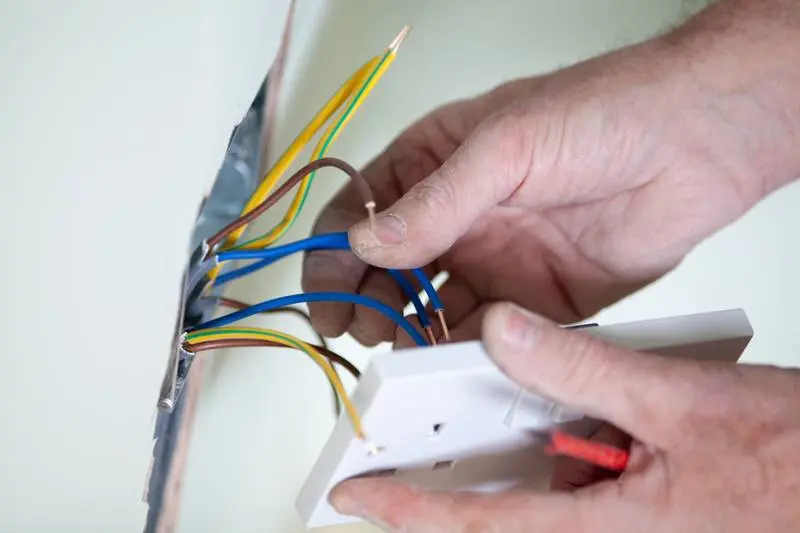
These appliances all have a three-core cable (live, neutral and earth wires). They rely on the earth connection for safety.
What are some examples of Class II electrical equipment?
Class II appliances tend to have plastic rather than metal casings. They have a two-core cable (ie live and neutral, but no earth wire).
Thanks to their double insulation layers, these Class 2 appliances are designed to prevent contact with live electrical components. This supplementary insulation is the reason why they don’t require an earth connection for protection.
If the basic insulation fails, the earth connection provides a path for fault current. That safety feature prevents the metal parts of the appliance from becoming live and creating an electric shock.
Whilst older computer models will have metal casing (Class I), more modern devices will be plastic (Class II).
Examples of Class II electrical equipment include:
- Laptop chargers
- Computer monitors
- Projectors
- Printers
- Phone chargers
- Power tools (like electric drills) with plastic casings
- Audio and video equipment
- Laminators
- Desk lamps with plastic housings
- Hairdryers
- Battery chargers
- Small kitchen appliances with double insulation (eg blenders, whisks, toasters with plastic bodies).
What PAT testing is required for Class I electrical equipment?
When it comes to PAT testing, Class I appliances need more thorough testing. Typically, this includes an earth continuity test to ensure the earth connection’s intact. In addition, an insulation resistance test is needed to check the quality of the internal insulating material and a visual inspection to spot damage to plugs, cables or casings.
Because Class I equipment relies on that protective earth safety feature, it’s critical that PAT testing is carried out correctly and regularly.
What does Class I and Class II mean when it comes to PAT Testing?
The key difference in PAT testing comes down to the presence (or absence) of the earth connection. For Class I equipment, the tester must check both the integrity of the insulation and the proper functioning of the earth connection. For Class II equipment, there’s no earth to test. The focus is firmly on the insulation resistance test and a detailed visual inspection.
There is actually a Class III too. With this electrical equipment, the input is connected to a safety extra-low voltage (SELV) power source. That means further protection (like an earth connection) isn’t required.
That’s why identifying the correct class of electrical equipment is so important. If it’s misclassified, you could miss a vital safety check or waste time carrying out tests that aren’t necessary.
Keep your workplace safe and compliant
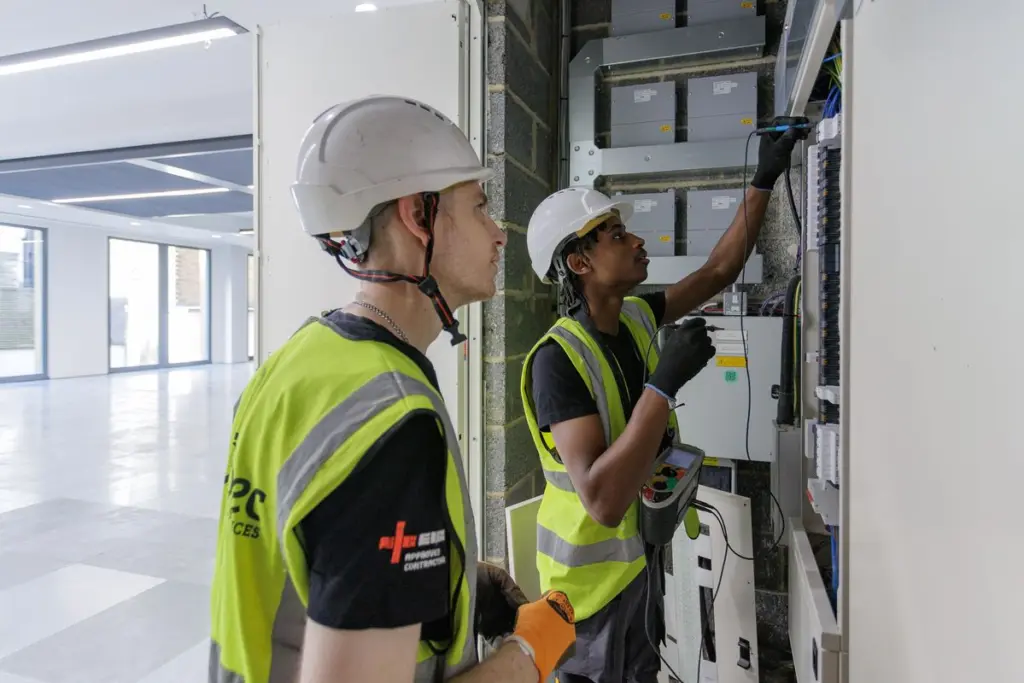
At Prolec, we know commercial PAT testing inside out. Our experienced, qualified engineers understand the difference between Class I and Class II equipment, and more importantly, how to test it efficiently without disrupting your day.
Need help with PAT testing at your business? Call us to book an appointment
You can rely on us to undertake thorough, efficient electrical testing. Be that PAT testing your electrical appliances or checking, maintaining, updating and repairing full electrical installations.
Sign up for more expert guidance and compliance delivered straight to your inbox